
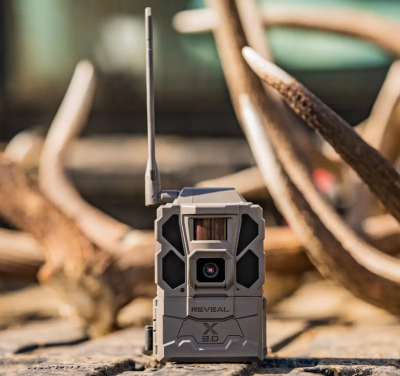
Finding the best deer hunting trail cameras can make a significant difference in your scouting success, helping you monitor deer movement, identify mature bucks, and choose the best stand locations before the season begins. The right cameras will provide valuable insights that can improve your hunting strategy.
How does a Trail Camera Work?
A trail camera, often called a game camera, is designed to automatically capture photos or videos of wildlife with minimal human presence.
Most trail cameras work using a combination of motion detection and infrared or visible light sensors. When an animal passes in front of the camera, the motion sensor triggers the shutter, capturing the image or video.
The key components that make this possible include:
- Passive Infrared (PIR) Sensor. Detects heat and movement from animals. When a warm body enters the sensor’s range, the camera is activated.
- Camera Lens and Image Sensor. This sensor captures high-resolution photos or videos, often even in low light or complete darkness, using night vision.
- Infrared LEDs. Provide illumination for nighttime shots without startling wildlife. Some cameras use invisible “no-glow” infrared for stealth.
- Trigger Speed and Recovery Time. This component determines how quickly the camera captures an image after detecting motion and how soon it can reset for the next shot.
- Power and Storage. The best deer hunting trail cameras are powered by batteries, with photos and videos stored on an SD card for easy retrieval.
5 Best Deer Hunting Trail Cameras
In this guide, we’ve highlighted the best deer hunting trail cameras for every budget and hunting style. From affordable, high-performance models to advanced cellular trail cameras that send photos directly to your smartphone, these top picks deliver the image quality, durability, and dependable performance hunters need in the field.
Read on to discover the perfect trail camera to maximize your scouting efforts and increase your chances of a successful deer hunt.
1) SPYPOINT Flex-M Twin Pack Cellular Trail Cameras
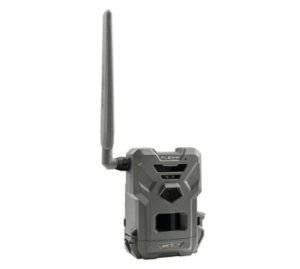
The Flex-M cellular trail cameras are an outstanding pick for deer hunters seeking reliable performance, remote monitoring, and unrivalled value. These trail cameras are packed with beneficial features to maximize your scouting efforts and increase your chances of a successful deer hunt.
Each camera in this pack features a compact, rugged design that is easy to mount and conceal. Furthermore, the Flex-M offers a fast trigger speed and high-resolution 20MP photos, ensuring that even quick-moving animals are captured with clarity.
Another impressive feature is the integrated cellular connectivity, which allows images to be sent directly to your phone or email in real-time. This eliminates the need for frequent trips to check memory cards, saving time and effort while keeping you updated on wildlife activity from anywhere.
In addition to its connectivity, the Flex-M excels in battery efficiency and adaptability. Its energy-efficient design can last months on standard AA batteries, depending on usage, and it offers multiple photo, video, and time-lapse modes to suit different monitoring needs.
Moreover, the camera’s infrared night vision ensures clear, undetectable imaging in low-light conditions, while customizable settings allow you to control image resolution, detection range, and sensitivity.
Overall, the SPYPOINT Flex-M Twin Pack is a high-performing, user-friendly option for anyone looking to track wildlife, secure property, or conduct long-term monitoring without repeated maintenance.
Pros
- Quick trigger speed and high-resolution 20MP photos
- Real-time cellular notifications of images and videos
- Long battery life with standard AA batteries
- Multiple shooting modes including photo, video, and time-lapse
- Compact, rugged design suitable for all weather conditions
- Infrared night vision for clear low-light monitoring
Cons
- Cellular plan required for real-time image delivery
2) Moultrie Edge 3 Cellular Trail Camera
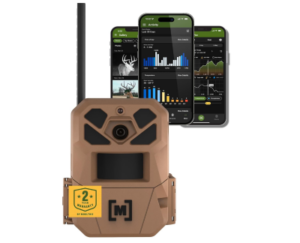
The Moultrie Edge 3 Cellular Trail Camera is a versatile and reliable option for hunters and wildlife enthusiasts seeking real-time monitoring without constantly visiting their camera sites.
Its cellular connectivity allows users to receive images directly to their smartphone or email, eliminating the hassle of retrieving SD cards. The camera also features a fast trigger speed and impressive detection range, ensuring you capture wildlife in motion without missing critical moments.
Regarding construction, its durable, weather-resistant design makes it suitable for all types of outdoor conditions, from rainy afternoons to freezing winter nights. The Edge 3 also boasts a high-resolution image sensor, producing sharp and clear photos that make it easier to identify animals even at a distance.
In addition to its cellular capabilities, this trail camera offers customizable settings such as time-lapse photography and adjustable detection zones, giving users more control over their monitoring.
The long battery life ensures weeks of operation in the field without frequent replacements, which is ideal for long-term trail setups. Over and above that, its intuitive interface makes it easy to set up and operate, even for beginners, while advanced users can take full advantage of its range of features.
Moultrie Edge 3 delivers the performance, convenience, and advanced technology that make it one of the best deer hunting trail cameras.
Pros
- Cellular connectivity for instant image delivery
- High-resolution photos and clear night vision
- Fast trigger speed and wide detection range
- Durable and weather-resistant design
- Long battery life
- Customizable settings for time-lapse and detection zones
Cons
- Higher upfront cost compared to non-cellular cameras
- Occasional connectivity issues in remote areas with poor signal
3) TACTACAM Reveal X Gen 3.0 Cellular Trail Camera
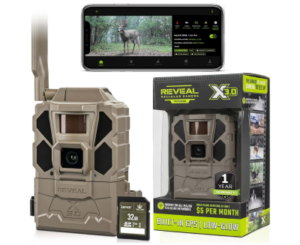
The Reveal X Gen 3.0 Cellular Trail Camera is a versatile and reliable option for serious wildlife monitoring or hunting preparation. It offers performance, reliability, and convenient features, making it one of the best deer hunting trail cameras.
Reveal X’s cellular connectivity allows you to receive photos and videos directly on your smartphone, eliminating the need for frequent trips to check the camera.
With its high-resolution imaging and fast trigger speed, this camera captures clear, detailed photos even of fast-moving animals.
Furthermore, the low-glow infrared flash ensures nighttime images are crisp without spooking nearby wildlife, making it ideal for observing nocturnal activity.
Construction-wise, its weatherproof housing guarantees durability, performing well in a variety of climates and conditions.
Another notable feature of the Reveal X Gen 3.0 is its ease of use. The camera’s setup is straightforward, and the TACTACAM app offers intuitive controls for adjusting settings, reviewing images, and managing multiple cameras.
Moreover, its long battery life ensures extended operation in the field, and the cellular plan options provide flexibility depending on usage needs.
Pros
- Cellular connectivity delivers images and videos directly to your phone
- High-resolution photos and fast trigger speed for clear, timely captures
- Low-glow infrared flash for undisturbed nighttime monitoring
- Durable, weatherproof construction suitable for harsh conditions
- Easy setup and user-friendly app interface
Cons
- Slightly higher price point compared to non-cellular cameras
4) Meidase S950 Cellular Trail Camera
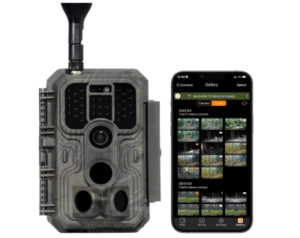
As one of the best deer hunting trail cameras, the Meidase S950 Cellular Trail Camera offers reliable, real-time surveillance at a competitive price.
Its cellular capabilities allow you to receive instant alerts and images directly to your smartphone or email, eliminating the need to check the camera manually.
Besides, it’s equipped with a high-resolution 20MP camera and 1080p video recording to capture crisp, detailed images and smooth videos even in low-light conditions.
The infrared night vision ensures clear shots at night without spooking animals, making it ideal for both nocturnal and diurnal monitoring.
On top of that, its sturdy, weatherproof design allows it to withstand harsh outdoor environments, providing durability throughout the year.
For added convenience, setup and usability are also straightforward, even for beginners. The camera also supports multiple shooting modes, including time-lapse, motion detection, and video recording, giving you flexibility based on your monitoring needs.
Above all, the fast trigger speed ensures that fleeting wildlife or trespassers are captured accurately, and the camera also supports external power sources for extended use
Pros
- High-resolution 20MP images and 1080p video
- Cellular connectivity for instant alerts and remote access
- Infrared night vision for stealthy nighttime monitoring
- Weatherproof and durable design
- Multiple shooting modes, including motion detection and time-lapse
- Fast trigger speed to capture quick movements
Cons
- Cellular plan is required for full functionality
- Limited battery life in frequent use without external power
5) GardePro A3S 2-Pack Trail Camera
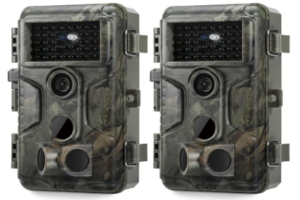
Last but not least, we have the GardePro A3S 2-Pack Trail Camera. This is a reliable choice for wildlife enthusiasts and hunters looking to monitor activity without the high costs of cellular connection.
This dual-pack camera set delivers high-quality 20MP images and 1080p Full HD video, ensuring that every detail is captured, even in low-light conditions.
Its 120° wide-angle lens allows for broad coverage of trails, feeding areas, or backyards, while the 65ft night vision range ensures clear nighttime footage. Furthermore, the camera is designed for stealth, with an invisible IR flash that avoids disturbing wildlife while capturing crucial nighttime activity.
Setup and operation are straightforward, with an easy-to-navigate menu and quick trigger speed, minimizing missed moments. The GardePro A3S also supports SD cards up to 32GB, giving users ample storage for images and videos.
Construction-wise, its compact, weatherproof body withstands harsh outdoor environments, making it a durable option for year-round use.
In addition to everything else, the dual-pack adds great value for those wanting to cover multiple locations simultaneously or create a comprehensive monitoring system.
Pros
- High-resolution 20MP images and 1080p Full HD video
- Wide 120° viewing angle and 65ft night vision range
- Invisible IR flash for stealthy nighttime recording
- Weatherproof and durable design
- Dual-pack offers great value and multiple coverage
Cons
- No cellular connectivity for remote viewing
- Limited SD card storage space
Further Reading
- Best Binoculars for Bow Hunting
- Best Vortex Scopes for 308 Hunting
- Best Compound Bows for Target Shooting
How to Choose the Best Deer Hunting Trail Cameras
When selecting the best deer hunting trail camera, take into consideration these key factors:
Image Quality
To begin with, image quality is a top priority. Clear, high-resolution photos and videos help you accurately identify deer species, age, and antler size, even in low-light conditions.
Cameras with at least 12 megapixels and HD video capabilities ensure that every detail is captured, giving hunters a reliable look at animal activity on their property.
Trigger Speed
Another essential factor is trigger speed. This is the time it takes for the camera to snap a photo after detecting motion. A fast trigger speed, ideally under 0.5 seconds, increases your chances of capturing fast-moving deer before they leave the frame, ensuring you don’t miss critical moments.
Detection Range
Next, detection range matters significantly. The best deer hunting trail cameras have a long motion detection distance, often 60 feet or more, to cover larger areas and detect deer before they get too close, allowing for better positioning and observation.
Night Vision
Night vision capability is crucial since deer are most active during dawn and dusk. Look for cameras with infrared LEDs that provide clear, black-and-white nighttime images without startling wildlife. No-glow or low-glow options are also beneficial for minimizing detection by wary deer.
Battery Life
Furthermore, the battery life of a trail camera affects how often you need to check and maintain it. Cameras that run efficiently on AA batteries or have external power options like solar panels allow for longer deployment periods, reducing the risk of missed activity and frequent trips to the camera site.
Build Quality
Durability and weather resistance are key for long-term use in outdoor environments. The best deer hunting trail cameras should withstand rain, snow, and extreme temperatures without malfunctioning. Look for rugged, waterproof designs to ensure reliable performance throughout the hunting season.
Storage Capacity
Moreover, storage capacity and memory options are other considerations. Cameras with ample internal storage or support for high-capacity SD cards can store thousands of images, which is especially important in areas with heavy deer traffic. Some models also allow for automatic overwriting of older images to prevent memory card overflow.
Ease of Use
Finally, ease of use and additional features can make a big difference. Cameras with simple setups, user-friendly menus, and convenient mounting options save time in the field. Extra features like time-lapse modes, adjustable detection zones, or wireless connectivity for remote image retrieval provide added flexibility and convenience for serious deer hunters.
Read: Best Scopes for 400 Yards
Best Deer Hunting Trail Cameras Care and Maintenance Tips
- Regularly Check and Replace Batteries. Even if your camera has a long battery life, it’s important to check it periodically. Weak batteries can cause missed triggers or corrupted images.
- Clean the Lens and Sensor. Dirt, dust, or spider webs on the lens ruin photos. Gently wipe the lens and motion sensor with a soft microfiber cloth. Avoid using harsh chemicals that could damage the camera’s optics.
- Protect Against Weather. Even weatherproof cameras benefit from extra protection. Use a camo case, rain shield, or small tarp to shield your camera from heavy rain, snow, and direct sunlight. This extends the life of the electronics and prevents water damage.
- Use a Secure Mounting Method. Mount cameras firmly to trees, posts, or poles using straps, brackets, or security boxes. Loose or wobbly cameras can produce blurry images or fall in storms. Additionally, use anti-theft boxes to deter humans or curious animals from tampering with your equipment.
- Manage Memory Cards. Check memory cards regularly and format them in the camera before each season. This reduces the chance of corrupted images and ensures the camera can record continuously without interruptions.
- Update Firmware. Some trail cameras have firmware updates that improve performance or fix bugs. Check the manufacturer’s website periodically and follow their instructions to keep your camera up-to-date
- Store Cameras Properly During Off-Season. When not in use, remove batteries, clean the camera, and store it in a cool, dry place. This prevents corrosion, mold, and battery leakage.
Read: Best Scopes for 6.5 Creedmoor Hunting
Best Deer Hunting Trail Cameras FAQs
Q: How to Pick a Good Trail Camera?
The key to choosing a good trail camera is matching its features to your hunting, wildlife monitoring, and property surveillance needs. An ideal trail camera should capture high-quality images and videos, have a fast trigger speed of 0.3 seconds or less, and have an effective range of 70-100 feet to capture clear images of fast-moving animals.
Dependable night vision with no glow infrared LEDs is critical for nighttime footage without spooking wildlife. Furthermore, longer battery life, weather resistance, and sufficient storage capacity are paramount for extended outdoor use.
If you need real-time updates, choose a cellular trail camera that sends photos directly to your mobile phone. Additionally, go for a trail camera that is easy to set up, has a durable construction, and fits your budget. Prioritize image quality, detection performance, durability, and battery efficiency to get a trail camera that will meet your scouting needs.
Q: How High Should a Trail Camera be for Deer?
Proper camera height and placement ensure more reliable detections, clearer photos, and better scouting results throughout the deer hunting season.
Mount cameras 3–5 feet off the ground, angled slightly downward toward deer trails. At this height, the camera will align well with the chest height of most whitetail deer, and you will also get the best balance between image quality and motion detection.
Position them perpendicular to the expected path for the widest detection coverage. Avoid pointing directly at the rising or setting sun to prevent glare.
If you will be mounting the camera higher, position the camera on a sturdy tree and angle it slightly downwards to capture clear and centered images.
Q: How many trail cameras do I need for effective deer monitoring?
It depends on your land size and deer density. For small to medium plots, 2–4 cameras strategically placed near trails, food sources, and water are usually sufficient. However, larger properties require more to cover multiple hotspots.
Q: How Often Should I Check My Trail Cameras?
Every 2–4 weeks is standard, depending on battery life and memory capacity. Cameras with longer battery life or wireless upload can be checked less frequently, reducing disturbance in the area.
Conclusion
Investing in a high-quality, weather-resistant trail camera with the right features not only improves scouting efficiency but also enhances your overall hunting strategy, ensuring you never miss a moment of wildlife activity.
Balance image quality, trigger speed, detection range, night vision, battery life, and durability to find a camera that captures deer activity reliably, helps track patterns, and minimizes disturbance in the field.